Guides
Metric vs Imperial Fasteners: Understanding Thread Standards
One of the most frequent questions we get is how to tell metric and imperial fasteners apart — and why it matters. Getting it wrong means threads that won't engage, or worse, joints that seem to fit but fail under load.
The core difference
Metric fasteners are measured in millimetres and described by diameter and thread pitch — for example, M12 x 1.75 means a 12mm diameter with 1.75mm between threads. Imperial (or UNC/UNF) fasteners are measured in inches, with thread count expressed as threads per inch.
The two systems are not interchangeable. A metric nut will not thread cleanly onto an imperial bolt of a similar size, even if it appears close. Forcing them together strips threads and compromises the joint.
How to identify what you have
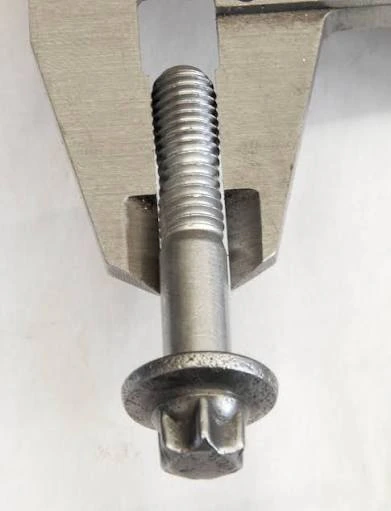
If you have calipers, measure the diameter: a round number in millimetres suggests metric, while a fractional inch measurement suggests imperial. Thread pitch gauges make it even clearer. When ordering replacements, always quote the full specification rather than eyeballing a match.
Which should you use?
In Ghana, metric is the dominant standard for construction and general engineering, and it's what we stock most deeply. However, imported machinery often uses imperial threads. If your project mixes both, keep them clearly separated on site — and reach out if you need help sourcing a specific imperial size.
Need the right hardware for your project? Our team is ready to help.
Browse Products